
Bring the Beattie Medals Home
A campaign film for National Maritime Museum Cornwall, and the story of the St Nazaire Raid Victoria Cross the museum hopes to bring home to Falmouth.
Words byRich StephensCo-founder and filmmaker at PixelRain
4 min read
In March 1942, a flotilla of small ships slipped out of Falmouth on one of the boldest operations of the Second World War. Recently we spent time in the Bartlett Library at National Maritime Museum Cornwall, a short walk from where they sailed, filming the people working to bring one of the raid’s rarest legacies back to the town.
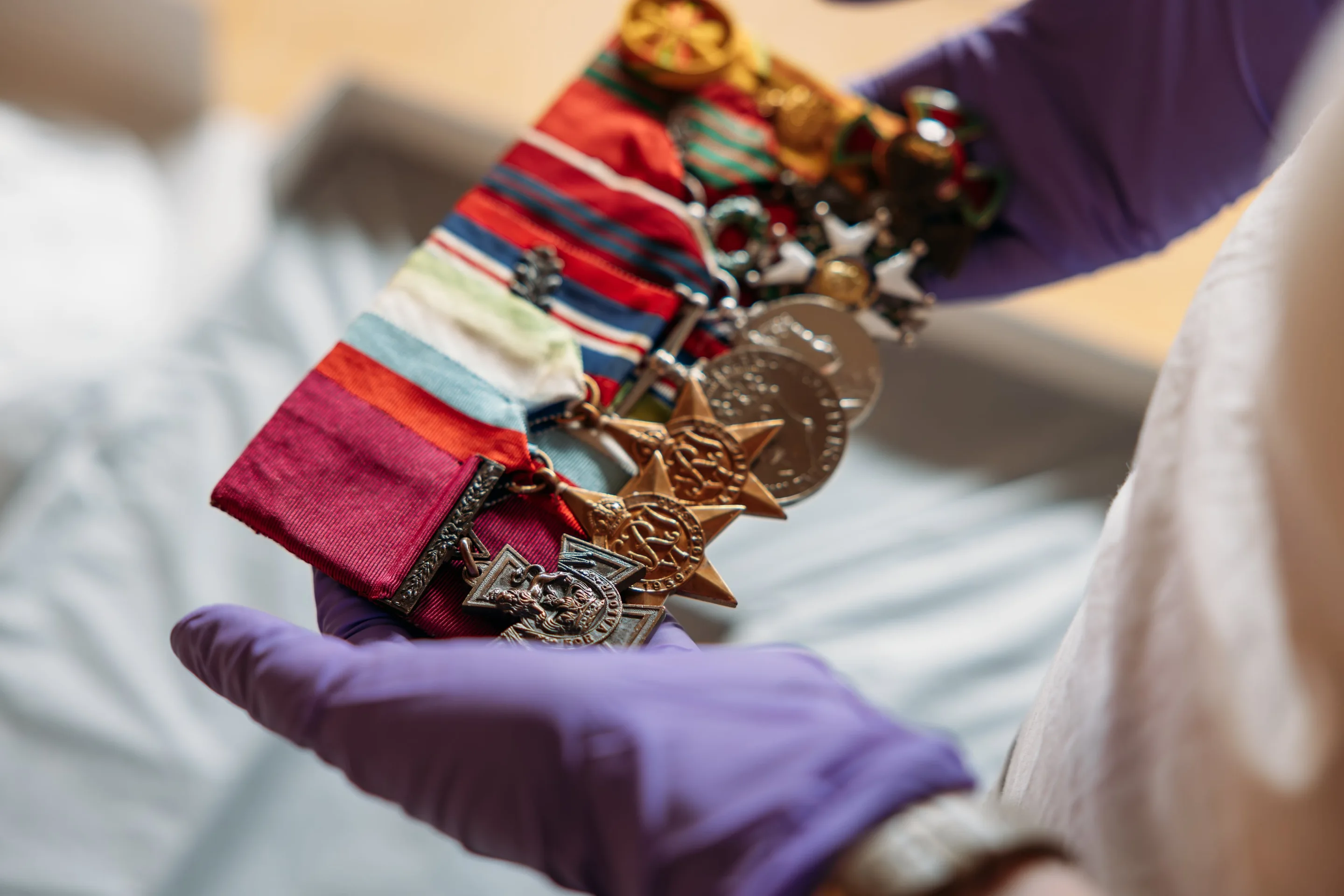
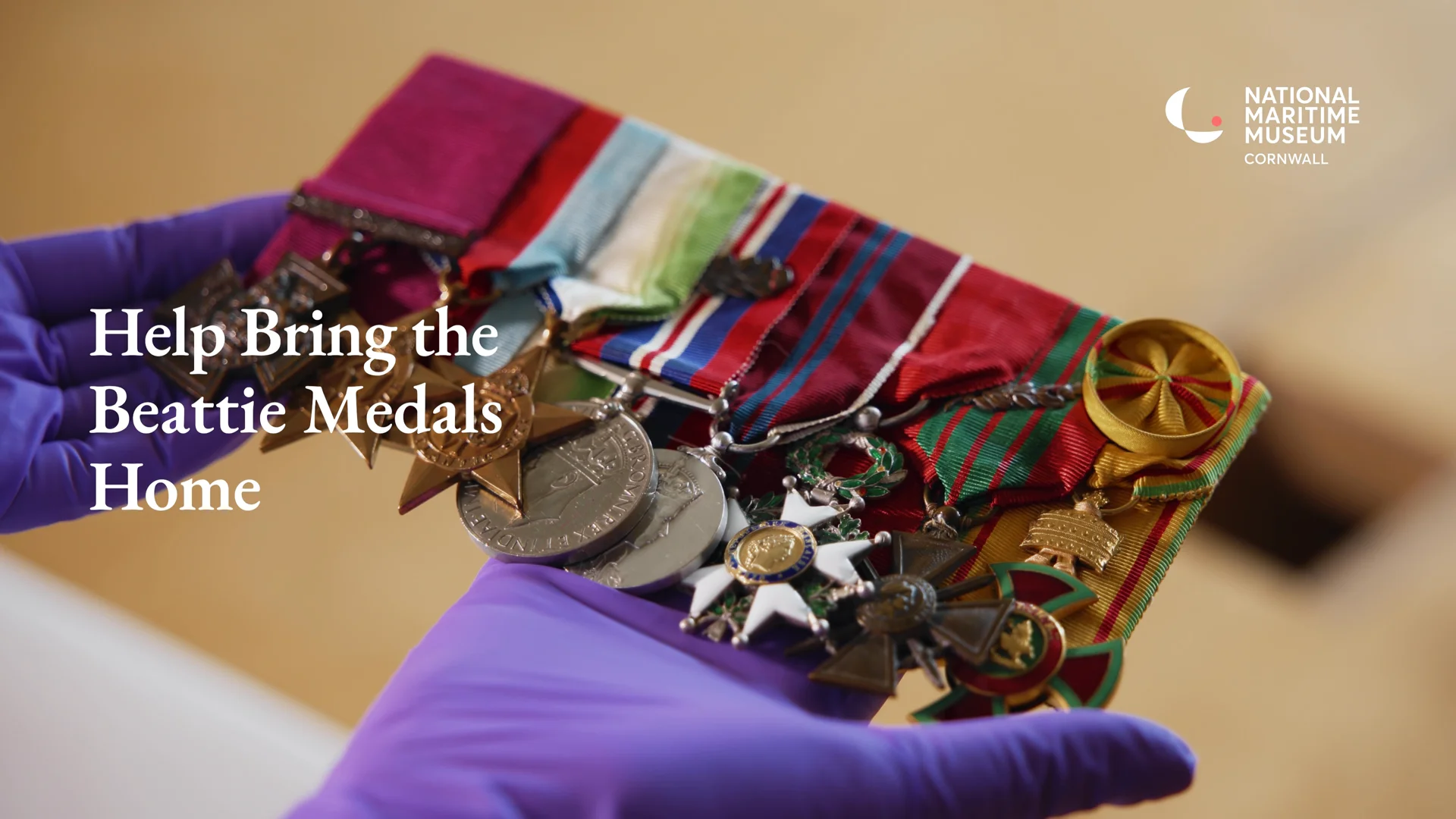
The museum is crowdfunding for a secure display case so that Captain Stephen Beattie’s medals, including the Victoria Cross he was awarded for the St Nazaire Raid, can go on show in Falmouth. We made the campaign film. Here it is, with a little of the story behind it below.
The greatest raid of all.
On 26 March 1942, more than 600 sailors and commandos left Falmouth for St Nazaire, on the Loire estuary in occupied France. Its dry dock was the only one on the Atlantic coast big enough to service the largest German warships, and Operation Chariot was planned to put it out of action.
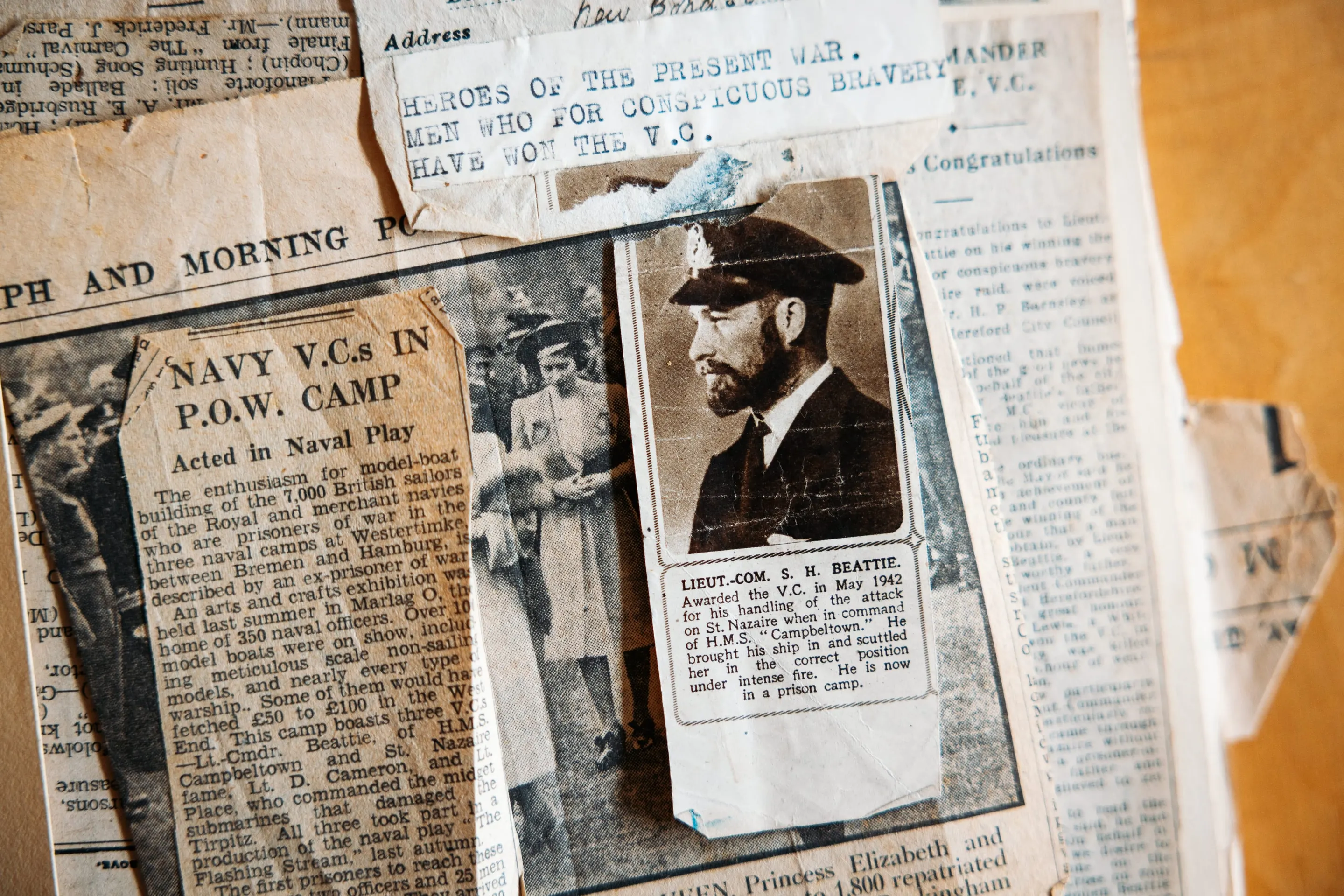
At the centre of the plan was HMS Campbeltown, an old destroyer stripped down, disguised to look like a German ship and loaded with nearly five tons of explosives. In the early hours of 28 March, under heavy fire, Lieutenant Commander Stephen Beattie drove her straight into the dock gates. The delayed charges went off later that day, and the dock stayed out of use for years.
The cost was enormous. The men had been told before they left that many would not come back, and two-thirds of them didn’t. Of those who sailed from Falmouth, 169 were killed and 215 were taken prisoner, Beattie among them. Only 228 returned.
A medal for a whole ship’s company.
Beattie’s Victoria Cross is unusual. His citation honours not only his own courage but that of “the unnamed officers and men of a very gallant ship’s company”, many of whom never came home. He spent the rest of the war as a prisoner in Germany and only received the medal in person after his release in April 1945. France also awarded him the Légion d’honneur and the Croix de Guerre.
He went on to become a Captain, retired from the Navy in 1960 and spent his later years in Cornwall, where he died in 1975.
Why Falmouth.
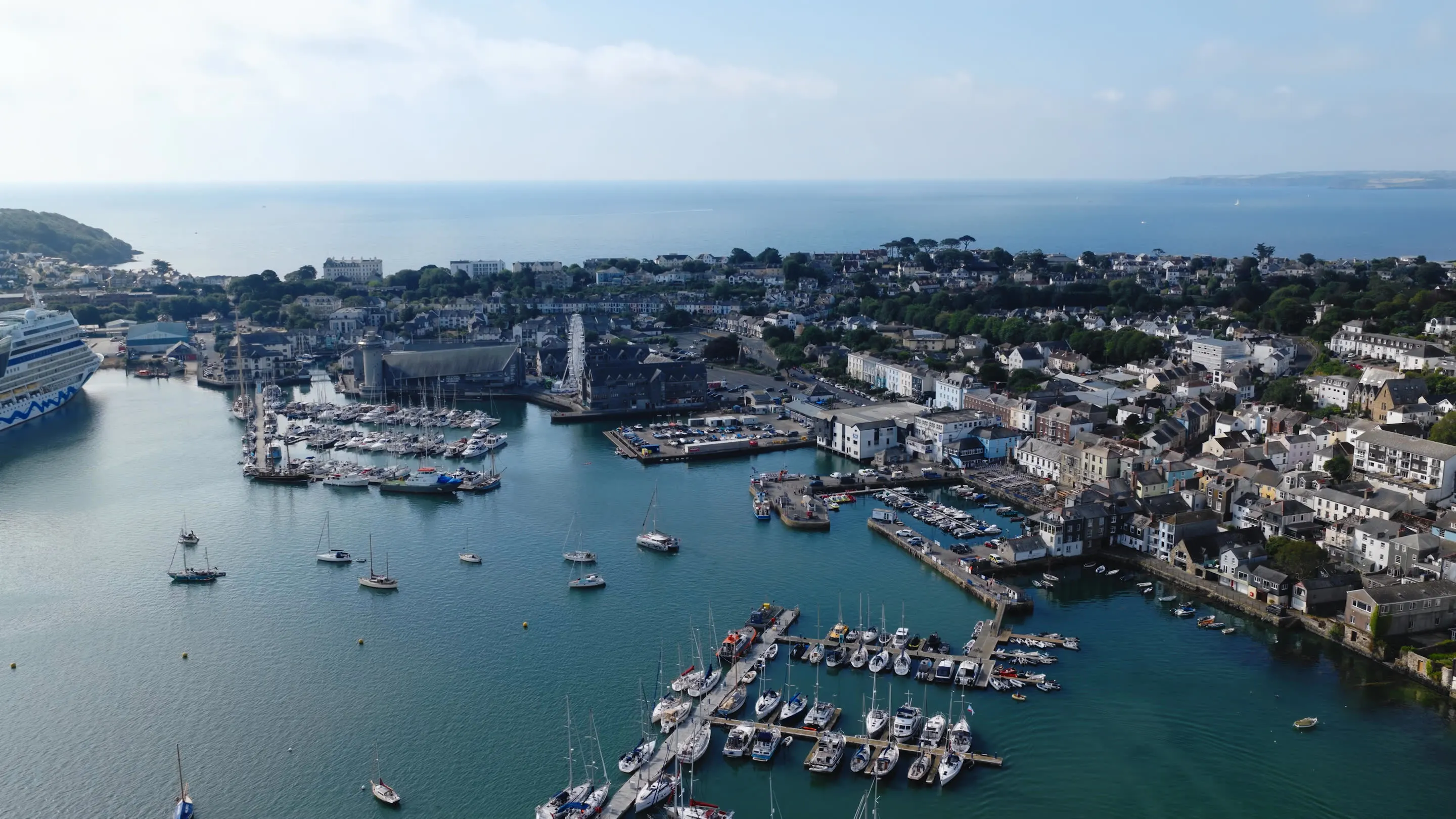
Falmouth is Britain’s most westerly deep-water port, which made it the natural starting point for the raid. The men sailed from here and the survivors came back here, and the town has held the story close ever since.
The museum already cares for objects connected to the raid and to Beattie’s life, including a version of Norman Wilkinson’s painting of the attack that once hung in the family home. With the family’s support, bringing the medals to Falmouth would complete that collection in the place the story belongs.
Filming in the Bartlett Library.
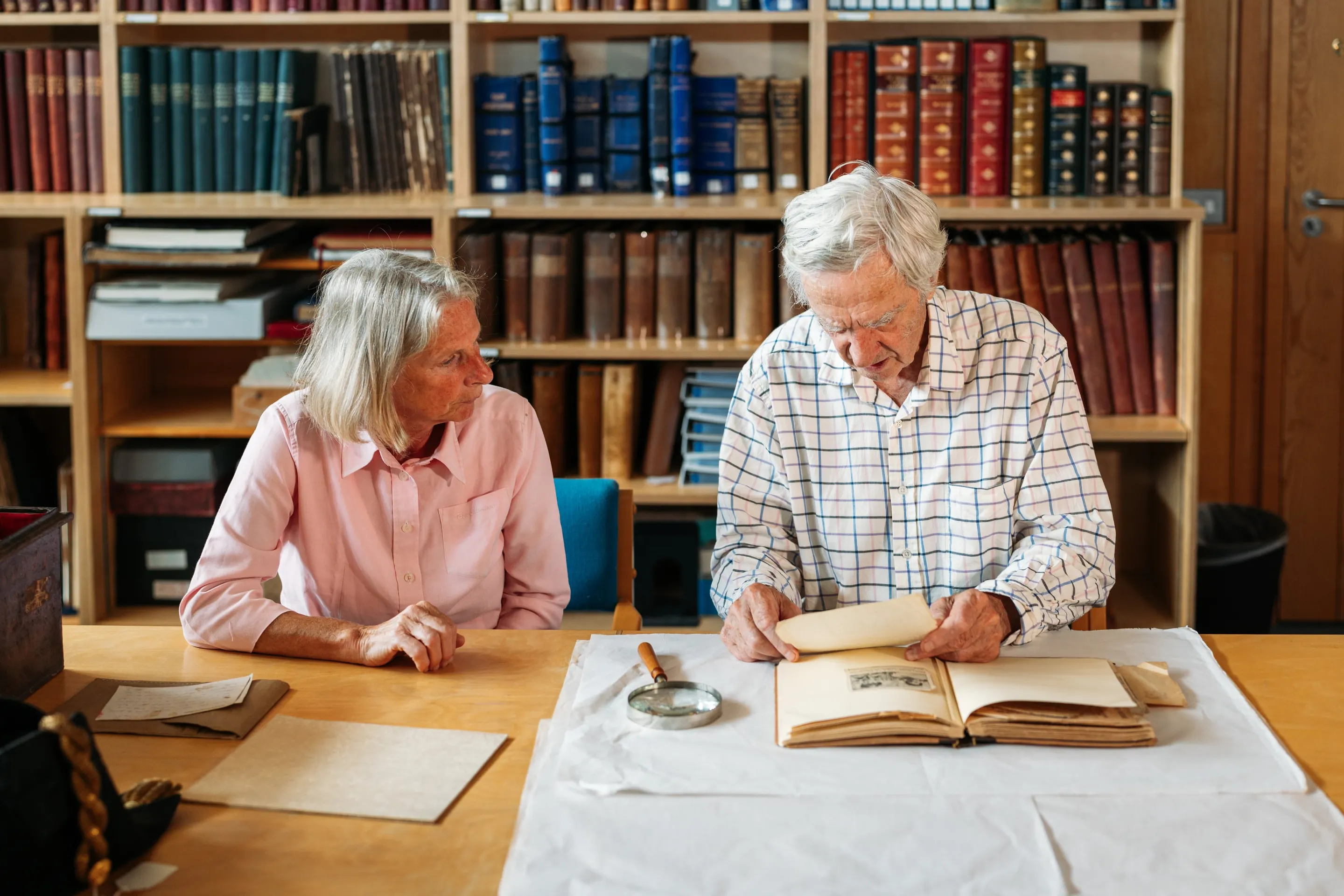
We filmed in the museum’s Bartlett Library, with Stephen’s son Tim Beattie, his granddaughter Pippa Jones and the museum team telling the story in their own words.
We’ve worked with National Maritime Museum Cornwall for many years, and it’s been a real pleasure to help them raise the funds to preserve such an important part of Falmouth’s story.
From the shoot
2 photographs · Open the albumFind out more.
National Maritime Museum Cornwall is an independent charity with no regular government funding, so a project like this relies on public support.
The museum is raising funds for a secure display case, with the aim of having the medals on show in time for the 85th anniversary of the raid on 28 March 2027.
You can find out more about the campaign and follow its progress on the Crowdfunder page and the museum’s campaign page. The Bartlett Library’s post, Remembering St Nazaire, tells more of the story behind the raid.

Written by
Rich Stephens
Co-founder and filmmaker at PixelRain. Notes from the people planning, filming and editing the work.
Meet the studio